Skip to content
Armor Coatings Inc is a concrete contractor in San Jose, CA, and we help property owners save money by upgrading existing slabs with the right finish instead of jumping straight to replacement.
If you’re comparing quotes and wondering where the “deals” really come from, we’ll be straight with you. You don’t win by chasing the lowest number on paper. You win by choosing a scope that fits the condition of your concrete, then installing a system that lasts. That approach keeps your project predictable and keeps you from paying twice.
In this guide, we’ll walk through practical ways to reduce total project cost on resurfacing, coatings, and epoxy floors. We’ll also cover where each option fits and what to watch for.
Concrete contractor in San Jose and Concrete resurfacing: refresh the surface without full demo
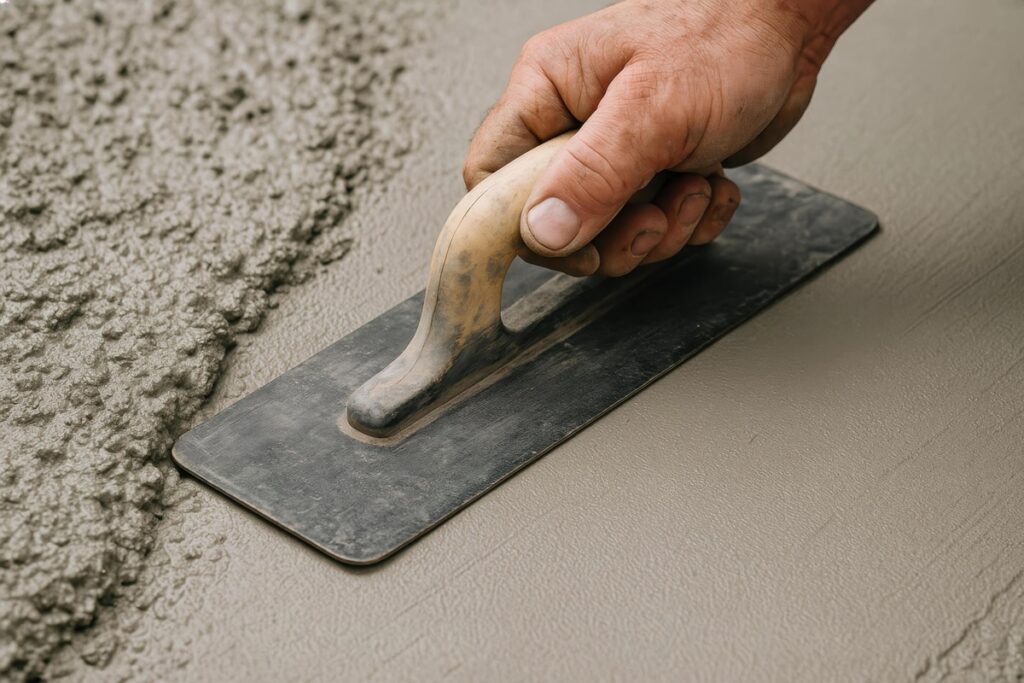
Concrete resurfacing is usually the fastest way to make worn concrete look intentional again. We use it when the slab still has a solid base but the top layer looks tired, stained, or uneven in texture.
Most homeowners notice the same issues first: a driveway that looks blotchy, a patio that feels rough, or walkways with hairline cracks that catch dirt. In many of those cases, resurfacing lets us correct the look and add protection without tearing out the slab.
Here’s how we think about savings with resurfacing:
- Less demolition, hauling, and disposal
- Less disruption to landscaping and access
- A shorter project timeline in many situations, which keeps labor efficient
Resurfacing also gives you design flexibility. We can change the texture for traction, adjust the look for curb appeal, and create a more uniform finish that reads “new,” even though the slab underneath stays in place.
A quick reality check: resurfacing isn’t magic. If the slab has major movement, deep structural cracking, or drainage issues that keep pushing water into the concrete, we address those problems first. That’s where restoration comes in.
Concrete contractor and Concrete restoration: fix the problem spots before they spread
Concrete restoration is the step that keeps “saving money” from turning into “saving money for six months.” When we restore concrete, we focus on the defects that cause ongoing damage or show through the finish.
We typically look for:
- Cracks that widen over time or repeat in the same areas
- Spalling, scaling, or surface breakdown
- Low spots that hold water
- Old patchwork repairs that keep failing
Restoration work can include crack repair, patching, grinding, leveling, and targeted rebuilding of damaged sections. We do this before we install resurfacing systems, coatings, or epoxy flooring because it’s easier and more cost-effective to fix the slab once than to chase problems after the finish goes down.
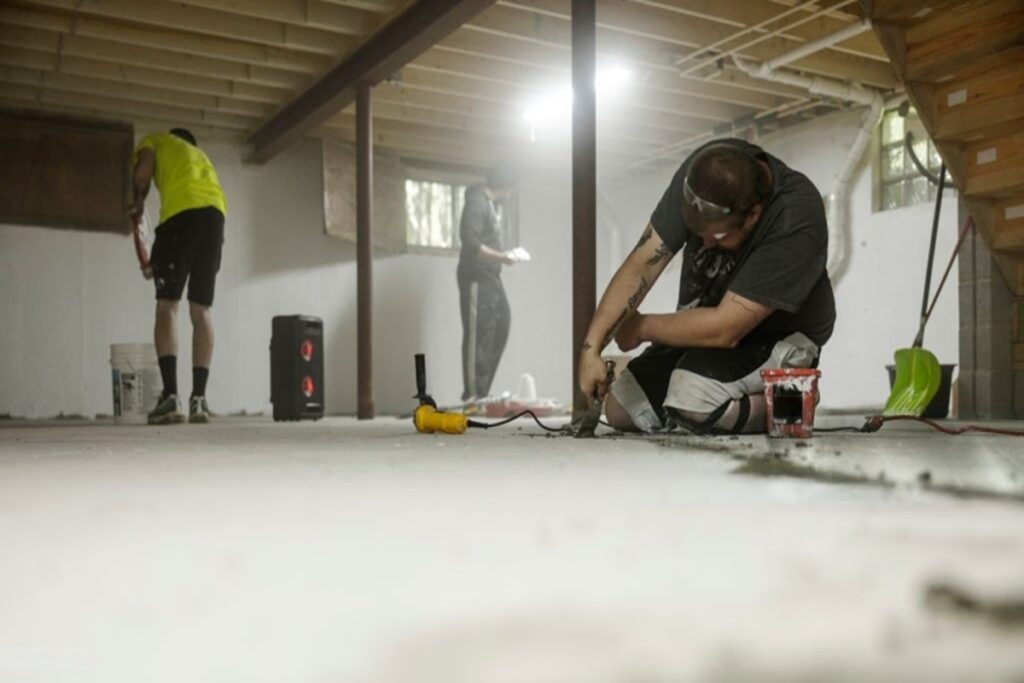
This is also where you get the biggest “deal” advantage from an experienced crew. We don’t guess. We inspect the condition, match repair materials to the issue, and prep the surface for proper bonding. Good prep is not a marketing line. It’s the difference between a finish that lasts and one that peels or telegraphs every patch.
If your concrete looks “mostly fine” but you see repeated cracking or soft edges, restoration often gives you the best return. It stabilizes the surface and keeps future repairs smaller.
Concrete contractor and Concrete coating: protect high-traffic concrete so it stays cleaner longer
Concrete coating is how we help clients protect concrete that takes daily abuse. Think garages, workshops, utility areas, patios, and commercial spaces where people track in dirt and spills happen.
A coating does two jobs:
- It upgrades the look.
- It protects the concrete from stains, wear, and moisture intrusion.
Where the savings show up is long-term maintenance. Bare concrete absorbs. It stains. It dusts. Once you seal or coat it correctly, cleanup gets easier and the surface stays consistent.
When we talk about “deals” on coating projects, we usually mean smart scope decisions:
- Coating the garage floor and the front porch at the same time so prep and mobilization stay efficient
- Choosing a finish that matches your traffic level, so you don’t overpay for industrial performance in a light-use space
- Fixing moisture issues up front instead of paying for a coating that fails early
We also keep the conversation honest about the outdoors. Sun, water, and slip resistance matter. We choose systems that fit exterior conditions, and we plan texture where you need traction.
If you’re deciding between a simple sealer and a full coating system, we’ll help you weigh appearance, budget, and performance. We don’t push the most expensive option by default. We push the option that makes sense for how you actually use the space.
Concrete contractor and Epoxy flooring: the garage upgrade that often pays off fastest
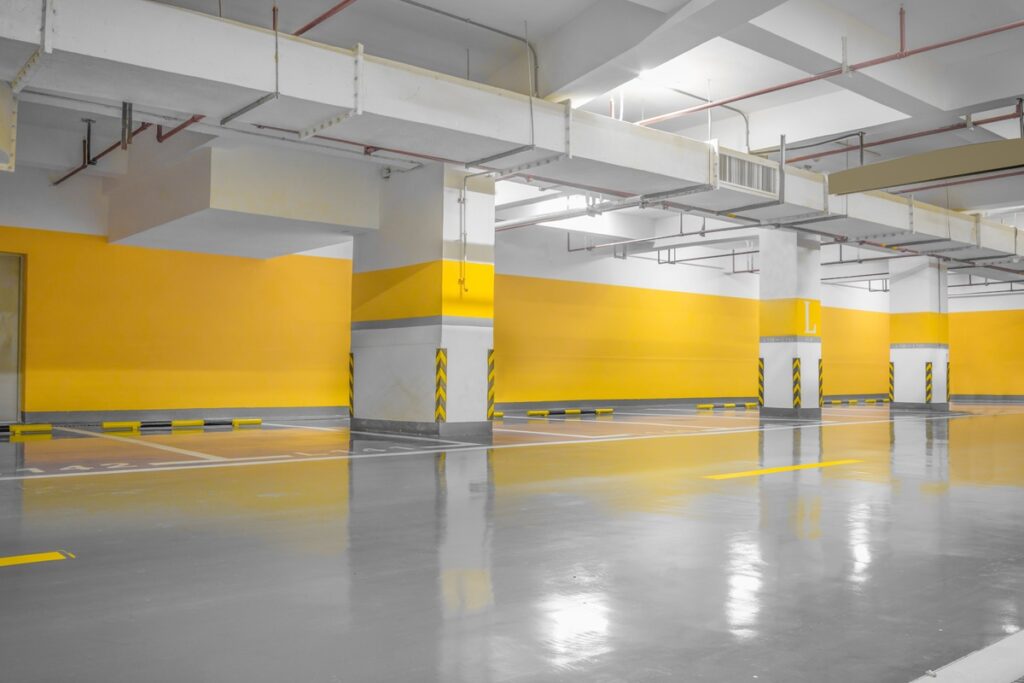
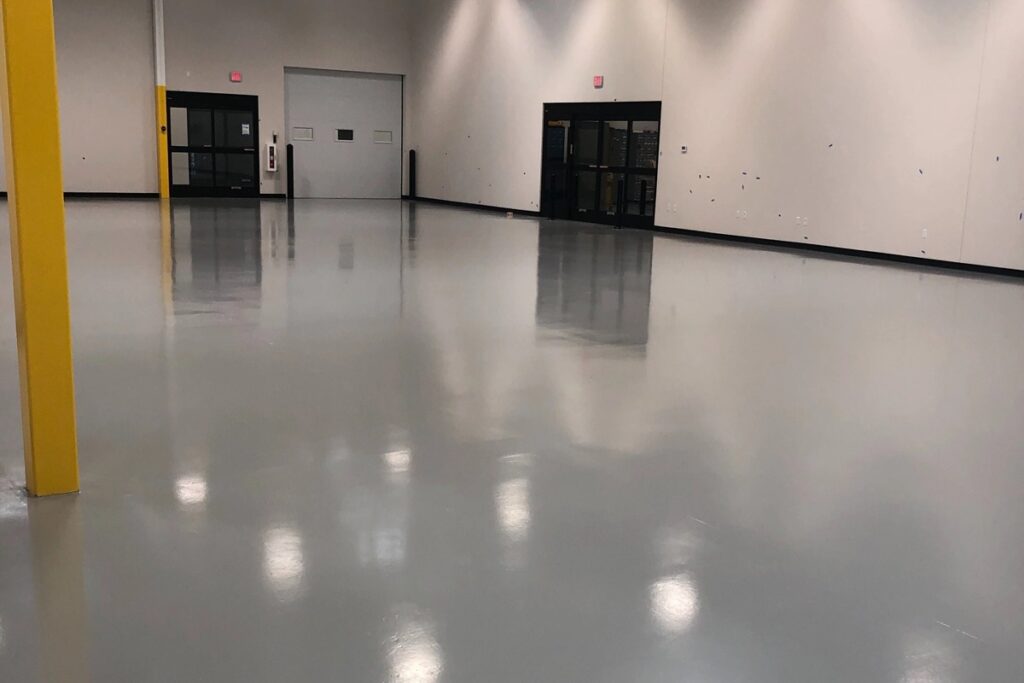
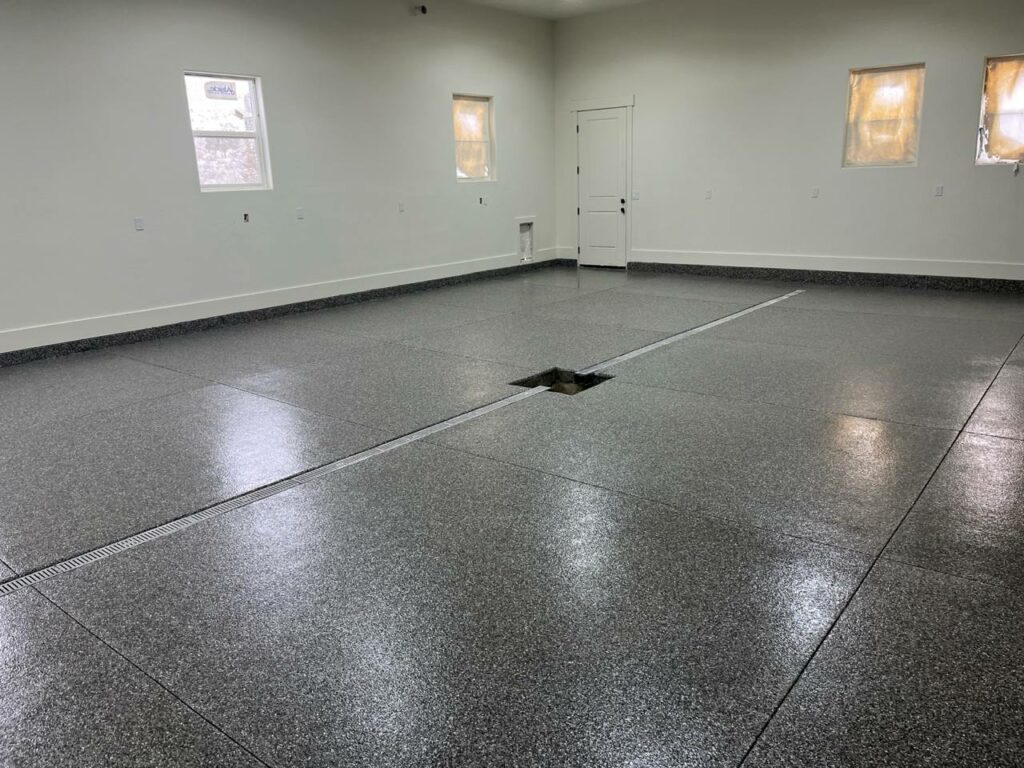
Epoxy flooring is one of the most popular upgrades we install because it changes how a space feels day to day. A clean epoxy floor makes a garage or work area look brighter, stays easier to maintain, and resists common stains like oil and chemicals.
We also like epoxy because it can be a very efficient project when the slab is in good condition. That’s where the savings happen. If the concrete is relatively sound, we can focus on proper prep, apply the right system, and finish the job without heavy reconstruction.
We approach epoxy flooring with a few non-negotiables:
- Proper prep so the coating bonds well, including surface profiling
- Moisture awareness, because moisture can trigger coating problems
- A system that matches how you use the space, including vehicle traffic and cleaning habits
If you want a “deal-friendly” epoxy project, here’s what helps:
- Clear the space so we can work efficiently
- Tell us if the slab has had water issues or if the area stays damp
- Be realistic about timeline, since cure time protects the finish
Epoxy also pairs well with other upgrades. Many clients bundle epoxy flooring with concrete resurfacing outside or a walkway refresh. Bundling keeps logistics efficient and often improves overall value.
Concrete contractor and Concrete staining: add character without making it look like paint
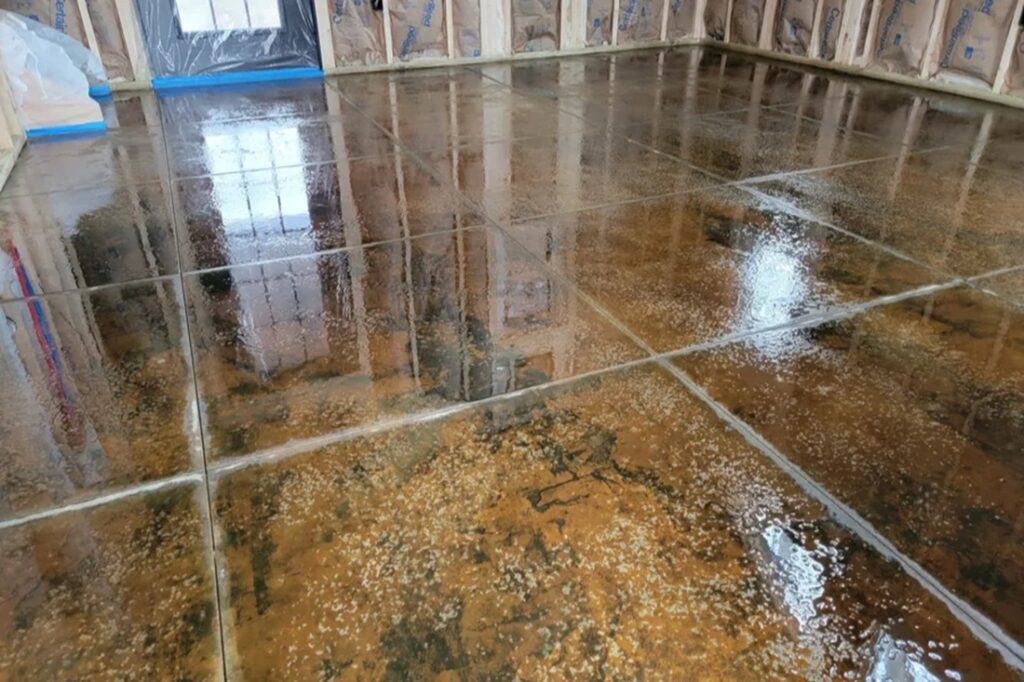
Concrete staining works when you want the surface to keep looking like concrete, just more intentional. Many homeowners want color that feels natural, not a thick layer that looks like it sits on top.
We use staining to help clients update patios, walkways, interior floors, and decorative areas. It’s especially useful when you want a more custom look without rebuilding the slab.
A few practical notes we share with friends and clients:
- Stain results vary because every slab behaves differently
- Test areas help set expectations before we commit to the full surface
- Sealing matters after staining, because the sealer controls how the surface handles wear and spills
Staining also plays nicely with resurfacing and restoration. If the slab needs repair work first, we can correct the surface, then build toward the color and finish you actually want.
If you like the stained concrete floors look you see in modern homes and studios, staining plus the right protection often gets you there with a controlled budget.
Concrete contractor and Concrete waterproofing: keep water from turning small cracks into big repairs
Concrete waterproofing is a broad term, so we keep it simple. Water causes damage when it sits where it shouldn’t, pushes through joints, or keeps feeding moisture into the slab. Over time, that moisture can break down surfaces and create conditions where coatings struggle.
We focus on waterproofing and sealing strategies that fit the location:
- Basements and below-grade areas need a plan for moisture and water movement
- Decks and elevated surfaces need protection that handles weather exposure
- Exterior flatwork benefits from systems that reduce absorption and slow surface wear
Basement sealing and basement waterproofing usually start with diagnosis. We look at where water comes from, how the space breathes, and what the slab shows us. Then we choose a solution that fits. We don’t treat waterproofing like a one-size product.
If your goal is to protect a finished space, moisture matters even more. You don’t want to install a beautiful coating system and then fight bubbling or peeling because moisture kept moving through the slab. We prefer to identify that risk early and build the right system around it.
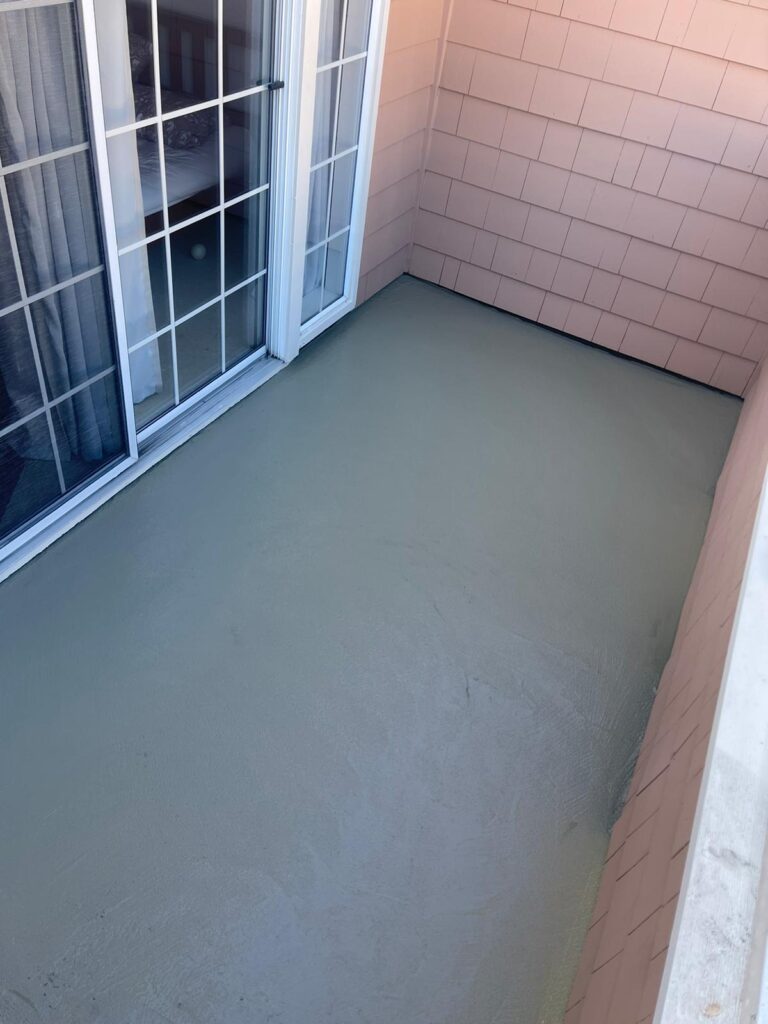
Waterproofing decks is another area where planning saves money. A good waterproofing plan protects the substrate and reduces the chance of expensive repairs later.
Concrete contractor and Driveway resurfacing: curb appeal savings, plus a quick permit check
Driveway resurfacing sits at the intersection of aesthetics and function. You want curb appeal, but you also need a surface that handles vehicle loads and water runoff.
When resurfacing fits, you get a strong visual upgrade without the cost and disruption of full replacement. We often see driveways with:
- Worn top layers and discoloration
- Small cracks that make the surface look older than it is
- Old patchwork that never blended well
- Minor settling that creates puddles
We can address many of those issues with a resurfacing plan and the right finish, including traction where needed.
One important San Jose detail: if your project touches the public sidewalk, curb and gutter, driveway approaches, or curb ramps, you should review city guidance on permits before you start. Here’s the local reference we point people to: City of San José sidewalk and driveway approach permit guidance.
That quick check helps you avoid delays, especially when an inspection or permit step applies to the work near the street.
FAQs
How do we decide between resurfacing and replacement?
We start with the condition of the slab. If the base is stable and damage stays mostly on the surface, resurfacing often makes sense. When the concrete shows major movement, widespread failure, or drainage problems that keep returning, replacement can be the better long-term call.
Does epoxy flooring work in every garage?
Epoxy works best when the slab is clean, properly prepped, and not dealing with serious moisture issues. We inspect and plan prep because the coating’s performance depends on adhesion and moisture conditions.
Can we stain old concrete that already has spots and discoloration?
Sometimes, yes. Results vary based on what has soaked into the slab and how the surface was treated before. We like test sections so you can see how your concrete takes stain before we commit to the full area.
What’s the difference between basement sealing and basement waterproofing?
We use “sealing” for projects that target moisture control and surface protection. We use “waterproofing” when the goal is to resist water intrusion and protect the space from more serious water exposure. Either way, we choose a system based on the site conditions.
Will a concrete coating make outdoor concrete slippery?
Some finishes can get slick if you choose the wrong system or skip texture. We plan slip resistance where you need it, especially on walkways, entries, and pool deck areas.
How can we keep costs down without cutting corners?
Bundling surfaces, choosing restoration instead of replacement when the slab qualifies, and timing the work well usually save money. Clear access to the work area also helps the crew stay efficient.
Contact our San Jose concrete contractor team for current pricing
If you want straightforward guidance on what will save you money, we’re happy to look at your concrete and talk through options. We’ll tell you where concrete resurfacing makes sense, when concrete restoration is worth it, and what finish fits your space.
Call Armor Coatings Inc at 408-578-5337 to discuss your project in San Jose. If you prefer online, contact us and tell us what surface you want to upgrade.